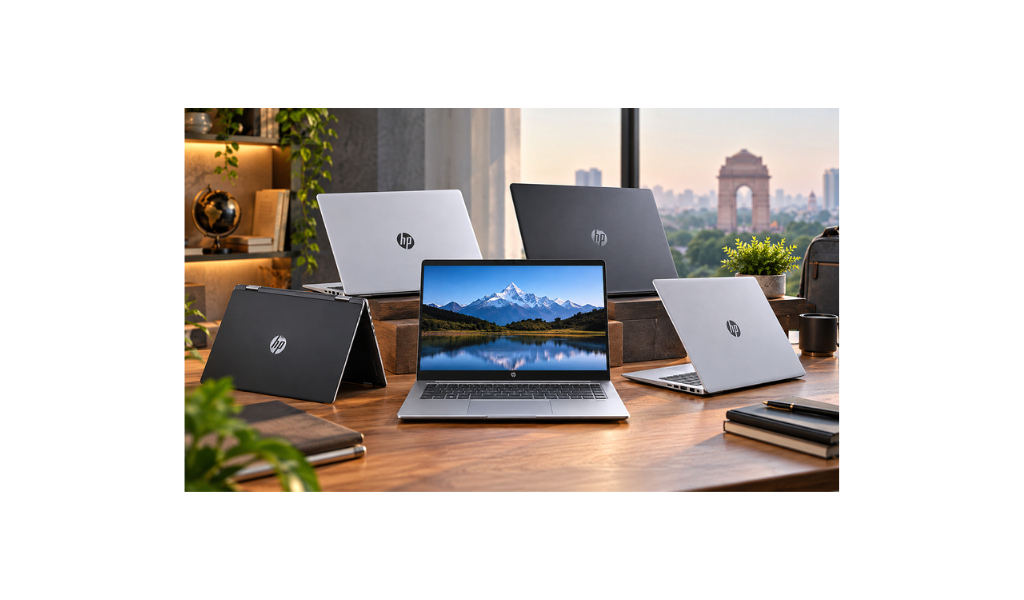

If you've ever attempted to purchase a single laptop, you're familiar with the routine: compare specifications, verify the price, and place the order—all completed in an afternoon. Buying for an office is an entirely different exercise. The moment you move from "one laptop" to "twenty laptops" or "two hundred laptops", almost every part of the process changes: how you negotiate, how long it takes to get devices in hand, what kind of warranty support you need, and even which brand and configuration makes sense.
This is something we deal with almost every week at Lapeasy, helping HR teams, IT admins, and startup founders equip new hires without blowing up their budget. Here's a practical, no-fluff look at how bulk laptop buying actually works in India and what changes once you're ordering at scale.
Why Offices Are Increasingly Buying Refurbished in Bulk
A few years ago, "bulk laptop order" meant calling up a Dell or HP dealer and waiting weeks for a quote. Today, a large number of growing companies quietly source refurbished laptops in bulk instead, and for good reason. A brand-new business laptop can cost anywhere from ₹45,000 to ₹70,000, while a certified refurbished machine with similar specs (Core i5 or i7, 8GB–16GB RAM, SSD storage) often comes in 40–60% cheaper. For a 30-seat office, that difference alone can fund an entire IT support contract for the year.
That said, bulk buying isn't just "the same laptop, times fifty." The order size itself changes what you should expect from a vendor.
How Order Size Changes the Buying Process
Small offices (5–15 units): This is close to a regular retail purchase. Most vendors, including online marketplaces for refurbished laptops, can fulfil these orders from existing stock within a few days. You get some room to negotiate on price, but not much on customisation.
Mid-size orders (20–75 units): This is where things start to look different. Vendors will usually ask for a spec sheet, RAM, processor generation, storage type, and screen size because at this volume, mismatched machines create real support headaches later. You'll also start seeing better per-unit pricing, and most reputable refurbished laptop dealers will offer a single point of contact instead of routing you through a general sales team.
Large orders (100+ units): At this scale, you're not really "buying laptops" anymore; you're setting up a small procurement project. Expect vendors to ask about your rollout timeline, whether devices need pre-installed software or asset tags, and whether you want staggered delivery instead of one giant shipment. Pricing is typically quoted per batch rather than per unit, and payment terms often shift too (partial advance, balance on delivery).
Lead Times: What Actually Slows Things Down
A lot of buyers assume lead time is just "how many days until the laptops arrive", but for bulk orders, three things typically decide the timeline:
-
Stock availability of a matching configuration is a factor. It's easy to find ten refurbished laptops with similar specs. Finding eighty units with the exact same processor, RAM, and screen size takes longer since refurbished inventory isn't manufactured on demand; it's sourced, tested, and graded in batches.
-
Quality checks and grading. A responsible seller doesn't just wipe a used laptop and ship it. Each unit goes through hardware testing, battery health checks, and cosmetic grading. At bulk volumes, this step alone can add several days.
-
Location and delivery spread. A single-city delivery (say, all units going to one office) is faster than shipping across multiple branches, for instance, part of the order going to Delhi, part to Bangalore, and part to Hyderabad.
As a rough guide: small orders can often be fulfilled within 3–5 working days, mid-size orders within 1–2 weeks, and large bulk orders anywhere from 2 to 4 weeks depending on configuration matching.
What Changes Beyond Just Price
The warranty becomes non-negotiable. For a single personal laptop, some buyers skip extended warranty to save money. For an office fleet, this decision carries significant risk; a single hardware failure in the second month can disrupt an employee's entire workday. This is why most IT teams insist on refurbished laptops with a warranty, typically lasting 6 to 12 months, before finalising a bulk order.
Standardisation matters more than the "best" specs. For individual buyers, picking between a refurbished i5 laptop and a refurbished i7 laptop is a personal call based on budget and workload. For offices, the smarter move is usually to standardise on one configuration across teams doing similar work; it makes troubleshooting, software imaging, and future upgrades far simpler for whoever manages the fleet.
Brand consistency helps IT support. Mixing Dell, Lenovo, and HP units across one office isn't a dealbreaker, but many IT admins prefer sticking to one or two brands, commonly Dell refurbished laptops or Lenovo refurbished laptops, simply because driver support, spare parts, and repair turnaround are more predictable when the fleet isn't a mixed bag.
Buying isn't always the right call. For short-term projects, contract staff, or teams that are still scaling and unsure of headcount, renting is often more sensible than buying outright. Laptop rental services are increasingly common in cities like Bangalore, Delhi, Gurgaon, Mumbai, and Pune, and they let you avoid depreciation risk entirely if the need is temporary.
A Few Practical Tips Before You Place a Bulk Order
-
Ask for a sample unit before confirming the full batch; doing so is standard practice, and any serious vendor will allow it.
-
Please ensure that the warranty terms are provided in writing, rather than relying solely on verbal confirmation.
-
Confirm whether the price quoted is inclusive of GST invoicing, since most companies need this for asset accounting.
-
If your team is spread across cities, ask whether the vendor can handle split delivery rather than routing everything through one office first.
-
Don't chase the lowest price alone; a slightly higher quote from a dealer offering proper grading and after-sales support usually works out cheaper over 12 months.
Final Thought
Bulk laptop buying isn't just a bigger version of a single purchase; it's a different process with different priorities. Order size affects how much customisation you can expect, lead time depends on configuration matching and quality checks rather than just shipping speed, and decisions around warranty, brand standardisation, and even renting versus buying start to matter a lot more once you're equipping a whole team rather than one person.
FAQ’s
1. How many laptops count as a "bulk order"?
Most vendors treat anything above 10–15 units as a bulk order, since it usually requires a spec sheet and vendor-level pricing instead of standard retail pricing.
2. Is it actually cheaper to buy refurbished laptops in bulk?
Yes, generally. Per-unit pricing improves as order size grows, and refurbished units already cost significantly less than new ones, so the combined saving is usually 40–60% compared to buying new laptops individually.
3. How long does a bulk laptop order usually take to deliver?
Small orders (under 15 units) typically take 3–5 working days, mid-size orders take about 1–2 weeks, and large orders of 100+ units can take 2–4 weeks depending on configuration matching and delivery locations.
4. Should a growing startup rent or buy laptops for new employees?
If headcount is uncertain or the need is short-term, renting is usually the safer option since it avoids depreciation risk. If the team size is stable and long-term, buying, especially certified refurbished laptops with warranty, tends to be more cost-effective.
5. Do bulk refurbished laptop orders come with warranty coverage?
Reputable sellers do offer a warranty on bulk orders, usually ranging from 6 to 12 months per unit. It's worth confirming the warranty coverage in writing before finalising any large order, since warranty terms can vary between vendors.