If you have ever searched for a new laptop and closed the tab after seeing the price, you are not alone. Laptop prices have gone up steadily over the past few years, and for a lot of people, especially students and first time buyers, spending forty or fifty thousand rupees on a brand new machine simply does not make sense. This is exactly where a refurbished laptop comes into the picture. It is not a compromise, it is a smarter way to buy technology, provided you know what you are actually looking for.
A refurbished laptop is a device that someone else owned before, but instead of being resold as is, it goes through a proper process of inspection, repair, cleaning, and testing. The seller checks the hardware, replaces any faulty parts, wipes all previous data securely, and only then puts it back on the market. This is very different from buying a random second hand laptop from someone you do not know, where you have no idea what condition the battery is in or whether the hard drive is about to fail.
Why People Are Choosing Refurbished Over New
The biggest reason is obviously price. A refurbished laptop can cost anywhere between thirty to sixty percent less than the same model when it was new, and for most everyday tasks like browsing, working on documents, attending video calls, or even light editing, the performance difference is barely noticeable. There is also a growing awareness around e-waste. Every laptop that gets refurbished instead of thrown away is one less device sitting in a landfill, and buyers who care about sustainability find this appealing as well.
Another reason, which people do not talk about as often, is that refurbished laptops often come from corporate or business inventories. Companies upgrade their systems every few years, not because the old ones stopped working, but because of internal policy. These laptops were usually well maintained, used in office environments, and are in far better condition than a laptop someone used casually at home for gaming or streaming for years.
Understanding the Grading System
If you spend even five minutes browsing refurbished laptop listings, you will come across terms like Grade A, Grade B, and Grade C. This grading is not standardized across every seller, but generally it works like this.
Grade A laptops are in near mint condition. There might be a very faint scratch if you look closely under bright light, but otherwise these laptops look and feel almost new. If you care about how your laptop looks and do not want any visible signs of previous use, Grade A is worth the slightly higher price within the refurbished category.
Grade B is where most buyers end up, and honestly, it is often the smartest choice. These laptops may have small cosmetic marks, maybe a light scratch on the lid or a slightly worn palm rest, but functionally they perform exactly like a new machine. If you are someone who is going to put a laptop sleeve or skin on it anyway, spending extra for Grade A does not make much sense.
Grade C laptops have visible wear, sometimes a dent or more noticeable scratches, but they still work completely fine. These are for buyers who just need a reliable machine for basic tasks and want the lowest possible price.
Best Laptop Brands to Consider When Buying Refurbished
Not every brand ages the same way, and when you are buying refurbished, brand choice matters even more than it does with a new laptop, simply because you want a brand known for durability and easy part availability if something needs repair later.
Dell is one of the most trusted names in the refurbished market, especially their Latitude and Vostro series, which were originally built for corporate use. These laptops are designed to handle years of daily office work, which means the units that end up in the refurbished market have usually been through solid build quality testing already. Dell also makes spare parts widely available, so repairs are easier and cheaper if ever needed.
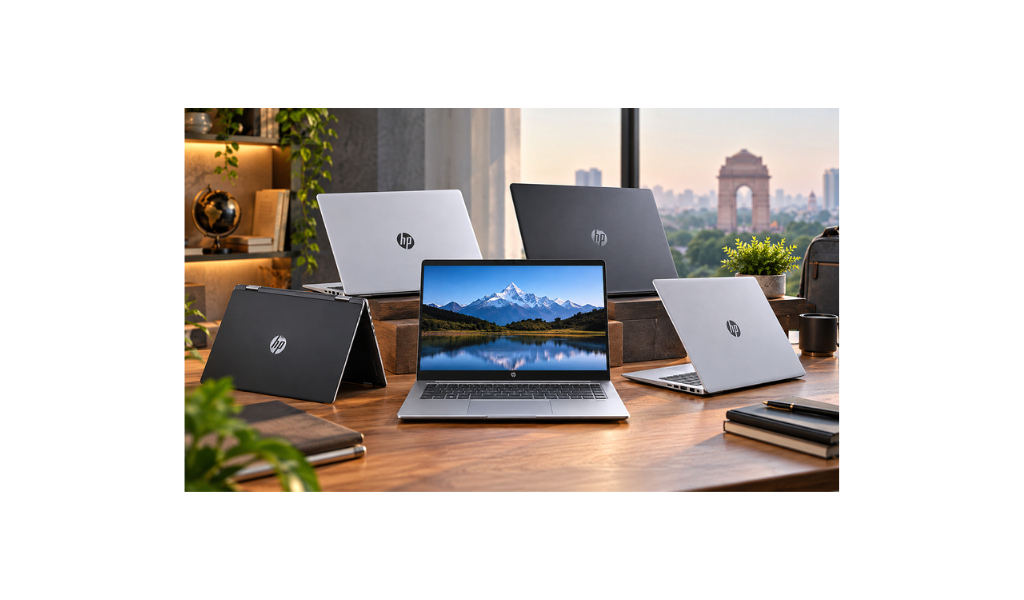
HP refurbished laptops, particularly the EliteBook and ProBook lines, are another safe bet. Like Dell, these were originally sold to businesses, so they tend to have a sturdier chassis and reliable keyboards compared to HP's consumer focused Pavilion series. If you come across a refurbished EliteBook, it is usually a strong choice for office and everyday productivity work.
Lenovo, especially the ThinkPad series, has built its entire reputation around durability. ThinkPads are known for military grade build standards, excellent keyboards, and long battery life, which makes them one of the most popular choices in the refurbished laptop segment. If longevity is your main priority, a refurbished ThinkPad is hard to beat.
Asus refurbished laptops are a good middle ground, especially for buyers who want a mix of good performance and modern design without paying premium prices. Asus laptops from the VivoBook and ZenBook lines hold up well and are commonly available in the refurbished market at competitive prices.
Apple MacBooks stand out because of how well they retain both performance and resale value over time. If you specifically want macOS and are open to buying refurbished, Apple is worth considering, though usually at a higher price point than Windows alternatives.
When choosing between these brands in the refurbished category, think about what you actually need the laptop for. Business grade lines like Dell Latitude, HP EliteBook, and Lenovo ThinkPad are built to survive years of daily use, which makes them a safer bet in the refurbished market compared to laptops that were originally designed for casual consumer use.
What You Should Actually Check Before Buying
Battery health matters more than people realize. Ask the seller for the battery cycle count or the battery health percentage. Anything above 80 percent is considered good for a refurbished laptop. If a seller cannot tell you this number, that is a red flag.
The warranty is non-negotiable. Never buy a refurbished laptop without at least six months of warranty coverage. Things can go wrong even with tested hardware, and a warranty protects you from bearing the full cost of a repair.
Also pay attention to the processor and RAM combination relative to what you actually plan to do with the laptop. If you are a student who needs it for typing assignments and browsing, an entry-level configuration is more than enough. If you are into video editing or coding, you need to look at higher RAM and a newer generation processor, even in the refurbished category.
Storage type makes a bigger difference than most people expect. A refurbished laptop with an SSD will feel noticeably faster than one with a traditional hard drive, even if the other specifications look similar on paper. Whenever possible, choose SSD storage.
Lastly, physically inspect or ask detailed questions about the screen and keyboard. Dead pixels, flickering, or unresponsive keys are the kind of issues that are easy to miss in photos but frustrating to deal with after purchase.
Breaking the Myths
There is a common misconception that refurbished means defective or low quality, and this simply is not true when you buy from a reputable seller. A refurbished laptop has actually been tested more thoroughly than most new laptops, which go straight from factory to store shelf without individual inspection. The refurbishing process specifically exists to catch and fix problems before the laptop reaches you.
Refurbished Laptop vs New Laptop
| Factor | Refurbished Laptop | New Laptop |
|---|---|---|
| Price | 30 to 60 percent lower | Full retail price |
| Warranty | Usually 6 to 12 months | 1 to 2 years |
| Performance | Same as original specs | Same as original specs |
| Availability | Limited stock, model dependent | Wide range available |
| Environmental impact | Lower, promotes reuse | Higher, new manufacturing |
FAQ's
1. Is it safe to buy a refurbished laptop?
Yes, it is safe when purchased from a trusted seller who tests the hardware, wipes previous data securely, and offers a warranty on the device.
2. How long does a refurbished laptop last?
A well maintained refurbished laptop can last 3 to 5 years, depending on usage and build quality.
3. Is a refurbished laptop good for students?
Yes, refurbished laptops are a cost effective option for students who need reliable performance for study, assignments, and online classes without a high budget.
4. What should I avoid when buying a refurbished laptop?
Avoid sellers who do not offer any warranty, do not disclose the grading condition, or cannot confirm battery health.
5. Which brand is best for a refurbished laptop?
Dell, HP, and Lenovo are considered the most reliable in the refurbished market due to their business grade build quality, while Apple and Asus are good options for buyers prioritizing design and display quality.
6. Does a refurbished laptop come with a warranty?
Most trusted refurbished sellers, including LapEasy, provide warranty coverage so buyers get after sales support in case of any hardware issue.
If you are ready to explore your options, LapEasy has a range of tested refurbished laptops across Dell, HP, Lenovo, Asus, and Apple, each one graded honestly and backed by warranty support, so you know exactly what you are getting before you buy.